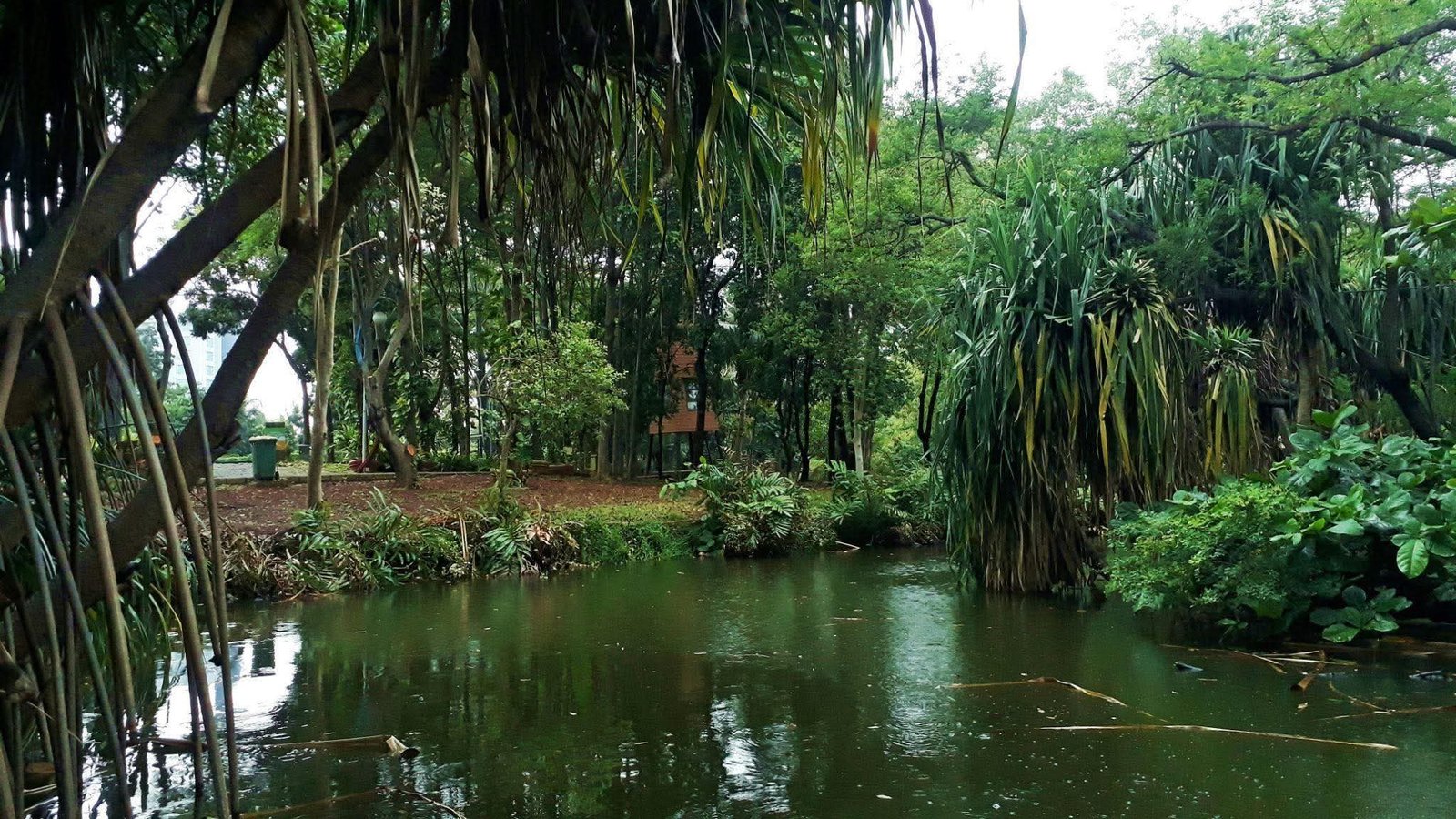
When you think of Punta Cana, pristine beaches and turquoise water likely come to mind first. But for travelers who value wildlife observation and landscape appreciation over thrill rides, an eco park in Punta Cana for nature lovers offers a completely different dimension of the Dominican Republic.
These protected spaces preserve native ecosystems where tropical dry forests, limestone formations, and freshwater lagoons create habitats for endemic birds, reptiles, and hundreds of plant species that exist nowhere else on Earth.
For those seeking a slower, more contemplative experience, an eco park Punta Cana provides self-guided trails and observation points that let you move at your own rhythm, pausing to identify a Hispaniolan woodpecker or photograph an orchid clinging to a mahogany trunk.
What Flora You Can Realistically Observe
The Dominican Republic is home to an astounding 6,000 species of plants, with 2,050 being endemic. In the Punta Cana area specifically, eco parks showcase a blend of coastal and inland vegetation adapted to the region’s limestone karst topography and seasonal rainfall patterns.
You’ll encounter several palm species beyond the iconic coconut—royal palms with smooth gray trunks, and the smaller guano palms used traditionally for thatching. The national tree, caoba or mahogany, features compound leaves and reddish bark. You’ll also find West Indian cedar, calabash trees, and various tropical palms throughout the parks.
Flower enthusiasts will discover over 300 species of orchids in the Dominican Republic, with some of these delicate epiphytes thriving in the microclimates of protected eco parks. Look for them attached to tree branches in shaded areas near water sources. The native flora also includes the rare Bayahibe Rose, a pink-flowering cactus endemic to the eastern region, though it’s more commonly seen in specialized botanical collections than on general trails.
Dry forest vegetation dominates much of the landscape, featuring drought-resistant species like various cacti, agave, and shrubs with small, waxy leaves. During the rainy season, these areas burst into green, but even in drier months, the adapted flora demonstrates remarkable resilience.
Bird Watching in Punta Cana: What Species to Expect
Punta Cana hosts the highest concentration of varied bird species in the entire country. Its prime location on the eastern coastline attracts both Caribbean and Atlantic bird species, making the region an unexpected hotspot for serious birders.
Over 100 different species have been identified in Punta Cana during the winter migration season. Target species include the Hispaniolan Parrot with its bright green plumage and white forehead, the Hispaniolan Lizard-Cuckoo—a long-tailed, rust-colored bird that moves through dense vegetation—and the tiny Broad-billed Tody, a jewel-like insectivore with emerald upperparts and a rose-colored throat.
Satiny dark blue and orange Cigua Canarias (Hispaniolan orioles) and Carpinteros de la Hispaniola (Hispaniolan woodpecker) frequent the palms of Punta Cana. The Palmchat, the national bird, builds large communal stick nests in royal palms—look for these bulky structures in open areas. You may also spot hummingbirds darting among flowering shrubs, and wading birds like herons and egrets near lagoons.
The critically endangered Ridgway’s Hawk has been successfully reintroduced to the Punta Cana area through conservation efforts. The population numbered around 350 in 2000 but has grown to approximately 550, with 19 breeding pairs nesting in the Punta Cana area. It’s not uncommon to spot one of these hawks flying over Punta Cana today.
Reptiles, Amphibians, and Other Wildlife
The eco park wildlife in the area includes several reptile species adapted to the tropical dry forest. Native Rhinoceros iguanas are among the most charismatic residents—large, gray-brown herbivores with distinctive horn-like scales on their snouts. These iguanas bask on rocks and fallen logs during morning hours, and while they appear prehistoric, they’re entirely harmless plant-eaters.
More than 1,400 species of reptiles inhabit the Dominican Republic, with 83% native to Hispaniola. American Crocodiles live in the southwest at Lake Enriquillo, while iguanas, lizards, frogs, toads, and non-venomous snakes populate various regions. In the Punta Cana region specifically, you’re more likely to encounter smaller lizards—anoles that change color and perform territorial displays, and geckos that emerge at dusk.
Freshwater lagoons within eco parks support populations of native turtles, frogs, and aquatic insects. The Hispaniolan treefrog, a small endemic amphibian, can sometimes be heard calling near water sources, especially after rain. While large mammals are absent from Hispaniola’s native fauna, you may observe introduced species like hutias in some protected areas, though these are rare.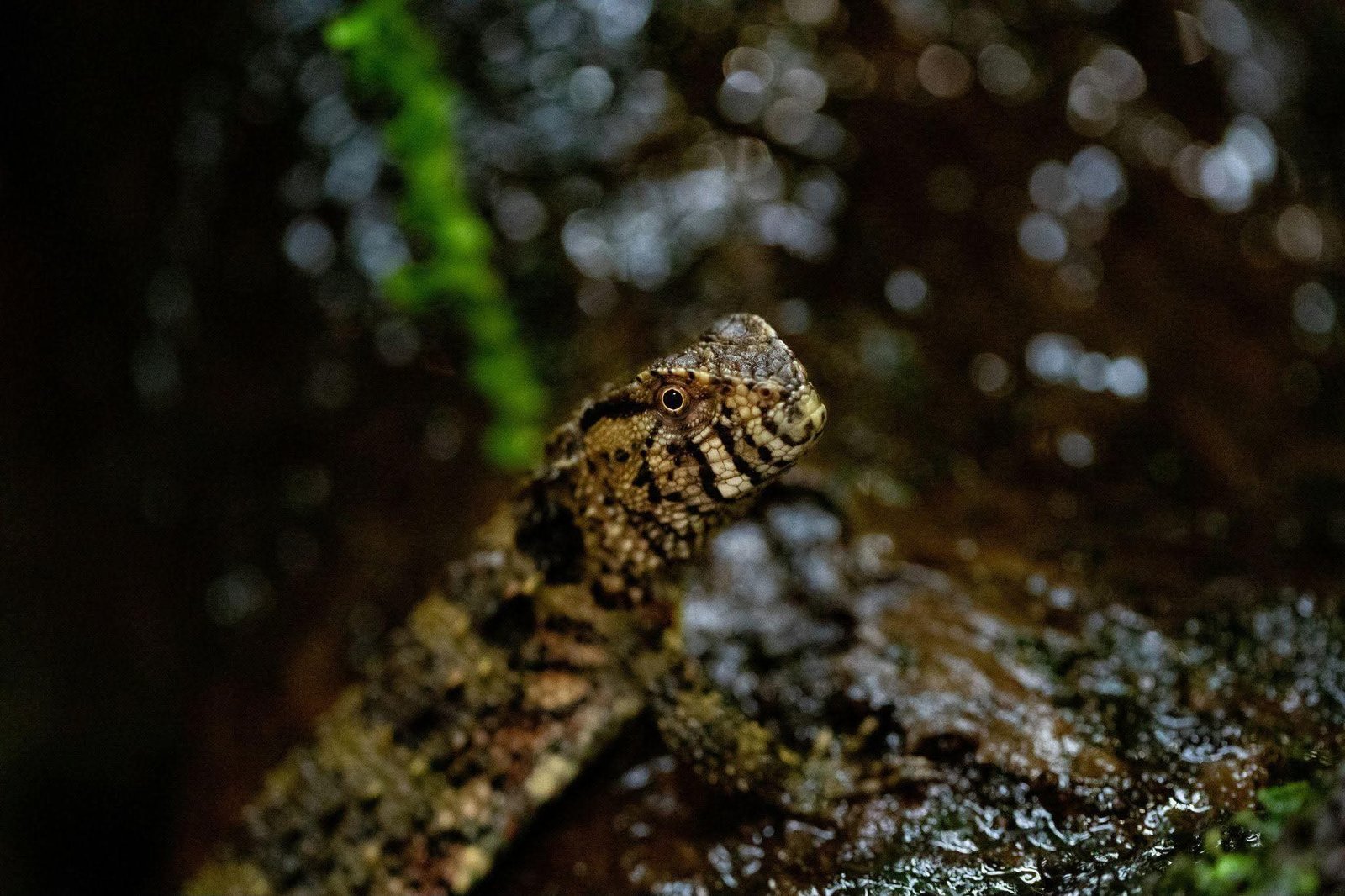
Balancing Contemplation with Active Experiences
The beauty of visiting an eco park lies in its flexibility. You can spend an entire morning walking slowly through dry forest, binoculars in hand, tracking the movement of a mixed-species bird flock through the canopy. Then, after lunch, shift gears to swim in a cenote or try a zipline that offers an aerial perspective of the same forest you explored on foot.
This combination works particularly well for groups with varied interests. Nature observation provides substance and context—you’re not just visiting a theme park, you’re engaging with a living ecosystem that has evolved over millennia. Understanding that the limestone beneath your feet was formed from ancient coral reefs, or that the Hispaniolan woodpecker you’re watching exists nowhere else on the planet, adds depth to every other activity.
The slower pace of wildlife observation also serves as a counterbalance to the adrenaline-focused attractions. After the rush of a zipline or the physical exertion of cave exploration, sitting quietly beside a lagoon to watch a green heron hunt for fish offers a different kind of satisfaction—one rooted in patience, attention, and connection to the natural world.
Practical Considerations for Nature-Focused Visitors
Bring binoculars if you’re serious about bird watching—even a basic 8×42 pair dramatically improves your ability to identify species at a distance. A field guide specific to Hispaniola is invaluable; several excellent options are available that cover the island’s endemic and resident species.
Wear neutral-colored clothing (greens, browns, tans) to avoid startling wildlife, and choose lightweight, breathable fabrics suitable for humid tropical conditions. Closed-toe shoes with good traction are essential, as trails can be uneven and occasionally muddy. Insect repellent is necessary, particularly near wetlands and during dawn or dusk hours.
Photography enthusiasts should note that forest interiors present challenging lighting conditions—a camera with good low-light performance and a telephoto lens (at least 200mm) will yield the best results for wildlife shots.
Most eco parks prohibit outside food and beverages to prevent litter and protect ecosystems from invasive species. Plan accordingly, and always carry reusable water bottles to stay hydrated during your exploration.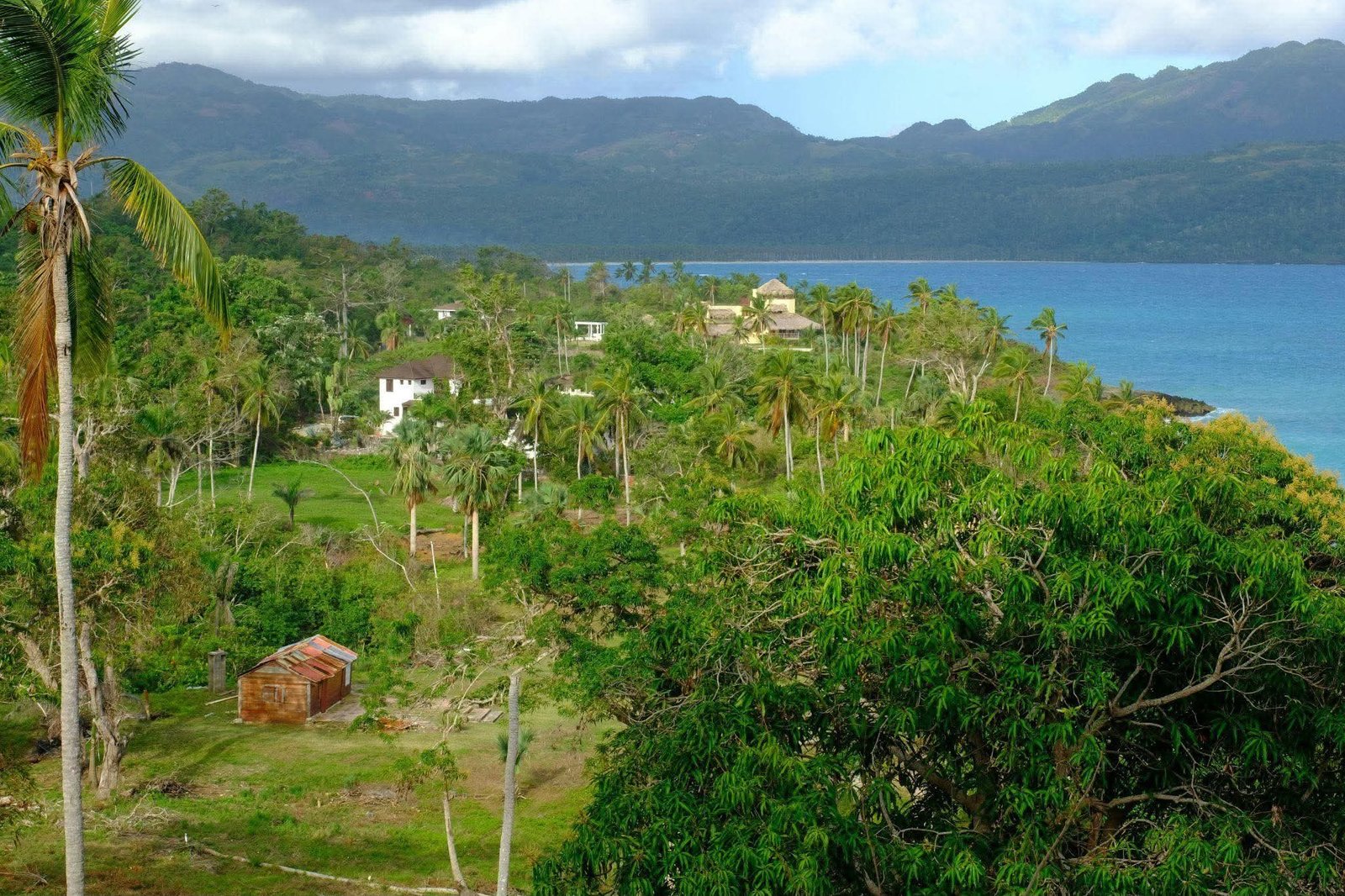
An eco park in Punta Cana for nature lovers represents far more than a side attraction—it’s an invitation to understand the ecological foundation that makes this region extraordinary. The native flora showcases everything from endemic orchids to towering mahoganies, telling a story of adaptation and survival in a Caribbean island ecosystem. The bird watching opportunities, with over a hundred species including rare endemics, rival destinations far more famous for avian diversity.

Brit is a passionate writer with a love for storytelling and exploring the depth of human experience through words. With a keen eye for detail and a thoughtful voice, Brit crafts pieces that resonate with readers and spark meaningful reflection. When not writing, Brit enjoys quiet moments with a good book, long walks, and finding inspiration in everyday life.