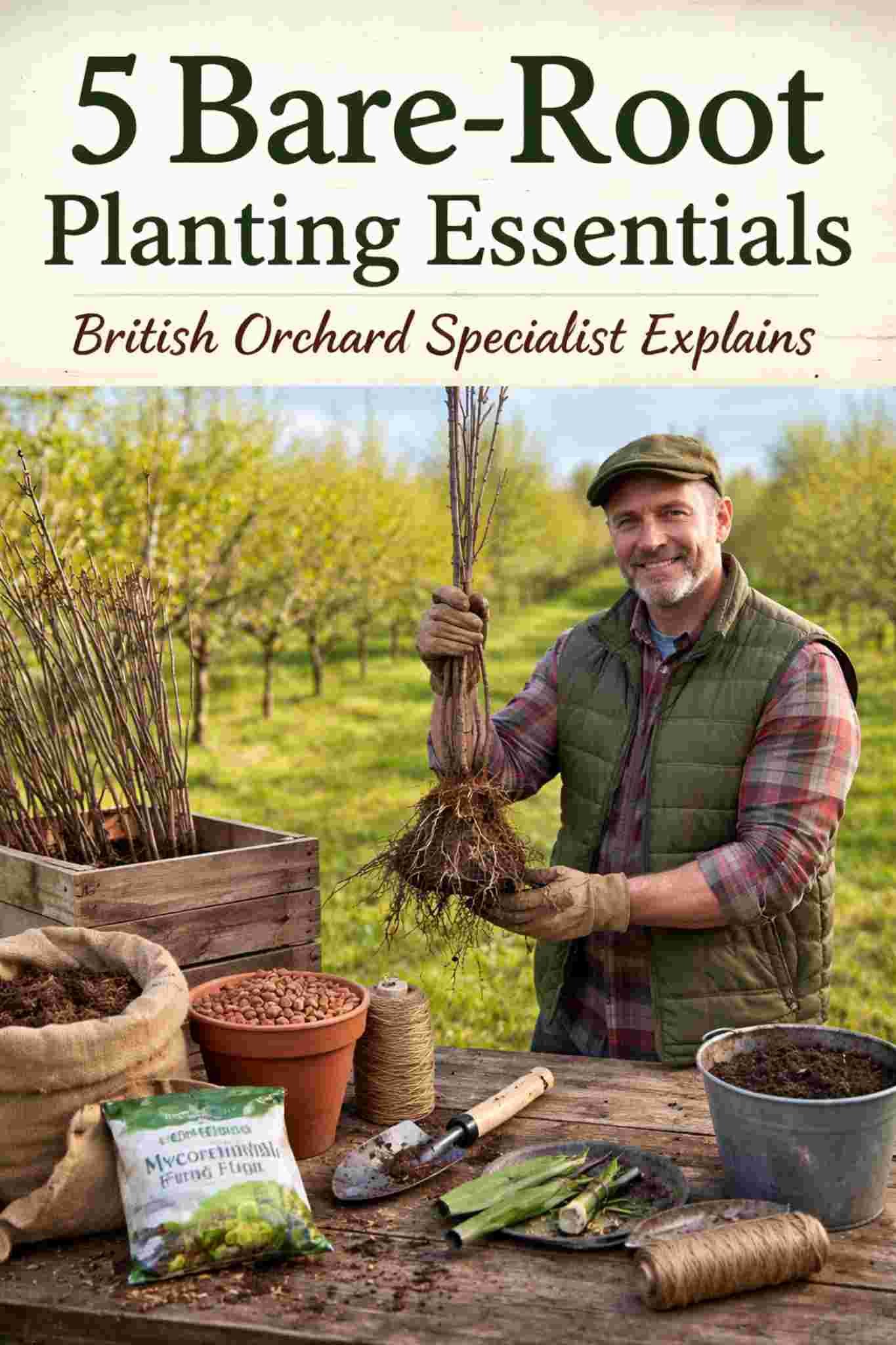
Bare-root planting is carried out during the dormant season, typically from late autumn through to early spring, it allows trees to settle into the soil before active growth begins. For many gardeners, this method offers stronger root establishment, better value, and a wider choice of varieties than container-grown stock. With increasing interest in home food production and long-term garden planning, understanding the essentials of bare-root planting has become more relevant than ever, particularly for those browsing fruit trees for sale with a view to lasting results rather than quick fixes.
Before planting even begins, sound advice can make the difference between a tree that merely survives and one that thrives for decades. The fruit tree specialists at ChrisBowers emphasise that selecting high-quality bare-root stock and preparing the ground properly are the foundations of success, particularly when planting apples and other traditional orchard trees. Their guidance on bare root fruit trees highlights the importance of matching tree type to soil, location, and long-term expectations, ensuring that each planting decision is made with longevity in mind.
Bare-Root Trees and Why They Suit the British Climate
Bare-root trees are lifted from the nursery field while dormant, with soil removed from the roots before dispatch. This may seem counterintuitive to inexperienced gardeners, yet it aligns closely with the natural growth cycle of deciduous fruit trees. In Britain’s temperate climate, winter dormancy allows roots to be moved and replanted with minimal stress, provided they are protected from drying out and planted promptly.
One of the key advantages of bare-root trees is their ability to establish quickly once planted. Without the constraints of a pot, roots can spread directly into the surrounding soil, encouraging balanced top growth in spring. British soils, which are often moist through winter, provide ideal conditions for this early root development. Even in heavier clay soils, careful preparation and drainage improvements allow bare-root trees to settle more effectively than container-grown alternatives, which may suffer from root circling or transplant shock.
Cost and choice also favour bare-root planting. Nurseries typically offer a wider range of apple, pear, plum, and cherry varieties in bare-root form, including heritage cultivars suited to British conditions. For gardeners planning an orchard or multiple plantings, bare-root trees represent a more economical option, allowing investment in quality stock rather than packaging and compost. Understanding this context helps gardeners appreciate why bare-root planting has remained standard practice among professional growers for generations.
Essential One: Timing and Storage Before Planting
The first essential of bare-root planting is correct timing, closely followed by careful storage if immediate planting is not possible. In Britain, the bare-root season usually runs from November to March, avoiding periods when the ground is frozen or waterlogged. Planting during this window ensures that trees remain dormant, reducing stress and allowing roots to begin establishing as soil temperatures rise.
If trees arrive before planting conditions are ideal, temporary storage becomes crucial. Roots must never be allowed to dry out, as even short exposure to air can damage fine root hairs responsible for water uptake. Heeling-in, where trees are temporarily planted in loose soil or compost, is a traditional and effective method. Alternatively, storing trees in a cool, frost-free shed with roots wrapped in damp material can suffice for short periods.
British weather adds an extra layer of consideration. Sudden cold snaps or prolonged rainfall can delay planting plans, so flexibility is essential. Monitoring forecasts and preparing planting sites in advance allows gardeners to take advantage of suitable conditions when they arise. By prioritising timing and storage, gardeners set the stage for successful establishment, ensuring that bare-root trees begin their new life without unnecessary setbacks.
Essential Two: Soil Preparation and Site Selection
Successful bare-root planting depends heavily on what lies beneath the surface. Soil preparation is often underestimated, yet it has a lasting impact on tree health and productivity. Fruit trees prefer well-drained soil with good structure, allowing roots to access oxygen as well as moisture. In Britain, where soils range from light sands to heavy clays, preparation must be tailored to local conditions.
Digging a generous planting hole is essential, not just wide enough for the roots but deep enough to loosen compacted layers. Incorporating organic matter such as well-rotted compost improves soil structure and encourages microbial activity, supporting root growth. However, over-enrichment should be avoided; fruit trees perform best when roots are encouraged to explore the surrounding soil rather than remaining in a pocket of rich compost.
Site selection goes hand in hand with soil preparation. Most fruit trees require full sun to produce reliable crops, with shelter from prevailing winds where possible. In exposed British gardens, windbreaks or strategic planting near hedges can reduce stress and moisture loss. Avoiding frost pockets, particularly in low-lying areas, protects blossom from late spring frosts, a common cause of crop failure. By giving careful thought to soil and site, gardeners provide bare-root trees with conditions that support steady, long-term growth.
Essential Three: Planting Depth and Root Handling
Planting depth is one of the most critical yet frequently misunderstood aspects of bare-root planting. Trees must be planted at the correct level, with the graft union clearly above the soil surface. This ensures that the chosen rootstock performs as intended, controlling tree size and vigour. Planting too deeply can lead to poor growth, disease, and eventual decline, particularly in apple trees.
Handling roots with care is equally important. Before planting, roots should be gently teased apart and any damaged or excessively long roots trimmed cleanly. This encourages new root growth and prevents circling or tangling in the planting hole. During planting, roots should be spread naturally, allowing them to radiate outward rather than being forced into an unnatural position.
Once positioned, soil should be firmed gently around the roots, eliminating air pockets while avoiding excessive compaction. In British conditions, where winter rains can settle soil naturally, careful firming is usually sufficient. Watering after planting helps soil settle further and ensures good contact between roots and soil. Attention to planting depth and root handling may seem meticulous, but these details underpin the tree’s ability to establish and perform well for many years.
Essential Four: Initial Aftercare and Early Training
Bare-root planting does not end when the soil is filled in. Initial aftercare plays a vital role in helping trees transition from dormancy to active growth. Watering during the first growing season is essential, particularly in dry springs or summers. Even in Britain’s relatively wet climate, young trees can suffer from drought stress before their roots have fully established.
Mulching around the base of the tree helps retain moisture, suppress weeds, and moderate soil temperature. Organic mulches such as wood chips or compost are particularly effective, provided they are kept clear of the trunk to prevent rot. Staking may also be necessary, especially in windy locations or on lighter soils. A well-positioned stake supports the tree while allowing slight movement, which encourages strong root development.
Early training and pruning should not be overlooked. For apples and other fruit trees, formative pruning in the first few years establishes a balanced framework, supporting future crops and simplifying maintenance. In Britain, winter pruning is commonly used to shape young trees, while summer pruning can help control vigour. Thoughtful aftercare ensures that the investment made at planting time translates into healthy growth and reliable yields.
Essential Five: Long-Term Establishment and Expectations
The final essential of bare-root planting is patience. Fruit trees are long-term additions to the garden, and their establishment phase can last several years. During this time, growth may seem slow, particularly compared to container-grown plants. However, this gradual development often results in stronger, more resilient trees with better cropping potential.
Understanding realistic timelines helps manage expectations. Apple trees may take three to five years to produce meaningful harvests, depending on variety and rootstock. During this period, consistent care, including watering, feeding, and pruning, supports steady progress. Monitoring for pests and diseases common in Britain, such as aphids or apple scab, allows early intervention and prevents long-term damage.
As trees mature, the benefits of bare-root planting become increasingly apparent. Well-established root systems support balanced growth, improved drought tolerance, and consistent yields. For gardeners committed to sustainable, productive planting, bare-root trees represent a sound choice rooted in traditional practice and modern understanding alike. By following these five essentials, British gardeners can approach bare-root planting with confidence, laying the groundwork for orchards that reward care and patience for generations to come.

Brit is a passionate writer with a love for storytelling and exploring the depth of human experience through words. With a keen eye for detail and a thoughtful voice, Brit crafts pieces that resonate with readers and spark meaningful reflection. When not writing, Brit enjoys quiet moments with a good book, long walks, and finding inspiration in everyday life.